
Sorry, this is not the title of the new Marvel superhero film. Although all those ants, spiders, cats, bats, turtles, wasps and wolverines would be a conservator’s nightmare.
Mentioned in my last blog, these ten agents are definitely NOT on the side of law & order, and are the reason your collection might need the services of Calluna Consulting.
The term was coined by the Canadian Conservation Institute and refers to physical factors that can harm your collection physically and intangibly. Here is a list of the threats and I’ve given a quick risk reduction strategy that hopefully will help you see all is not lost.
▪ Fire: Probably the scariest threat as it is indiscriminate and often means the complete loss of an object. To reduce risk: Install fire alarms, ensure there are plenty of extinguishers and people know how to use them.
▪ Water: There are so many ways water can damage or even destroy objects – leaks, flooding, firefighters, even exploding beer casks (don’t ask!). To reduce risk: Regular building and appliance maintenance and invigilation of all drinks events.
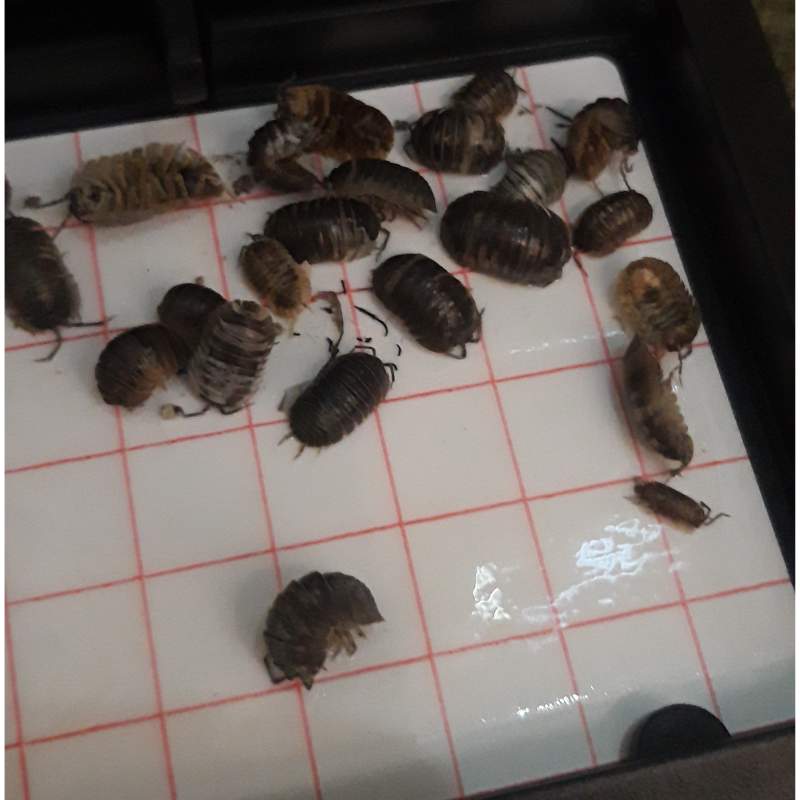
▪ Pests: My favourite topic, everything from microscopic mould to six legged beasties want to eat your precious things. To reduce risk: Good housekeeping – yes that means getting out the hoover.
▪ Physical forces: We’ve all seen the video, an accidental trip and a Ming vase goes flying. A picture frame gets bashed on a door by the ‘art handlers’, the wallpaper is scratched when the Christmas tree is erected. To reduce risk: Have a moving plan for all object relocations, and instigate policies for events so staff are aware of precious objects.
▪ Light: This means visible light plus ultraviolet and infrared radiation. These work almost imperceptibly, until that blazer on display is a different colour on the front and the back. What is worse is that it is irreversible. To reduce risk: If I had my way all collections would be kept wrapped, in a box, in a dark room, forever. However, in the real world we can use UV resistant films and get rid of fluorescent bulbs.
▪ Incorrect Temperature: In general cold is good, hot or fluctuating is bad. Heat speeds up degradation and fluctuations led to warping. To reduce risk: Keep it cool and constant. Yes – that means YOU might have to put on a jumper.
▪ Incorrect Relative Humidity: Rust, mould, warping, weakened structural integrity – there’s nothing like the wrong RH to compromise your collection. To reduce risk: Buffering by using appropriate storage and display materials. Mechanical ventilation.
▪ Pollutants: Now we are out of the smog laden Industrial Revolution you’d hope things would be better. Living on a busy street would suggest otherwise. Also, some pollutants are within the object (think low grade paper and plastics). To reduce risk. Use archival quality materials to store your objects.
▪ Thieves and Vandals: I like to think there is a special circle of Hell for those who steal or damage historical objects. To reduce risk: Supervision, and an up-to-date inventory if the worst happens for insurance purposes.
▪ Dissociation: Alienation, disconnection, loss, custodial neglect – this has to be the saddest Agent of the bunch. If you don’t know why an object is in the collection it loses all context. Having as much information as you can gather about your objects ensures your beloved collection doesn’t end up in a skip after you die. To reduce risk: DOCUMENTATION. Yes, I’m shouting, it’s important.
Leave a Reply